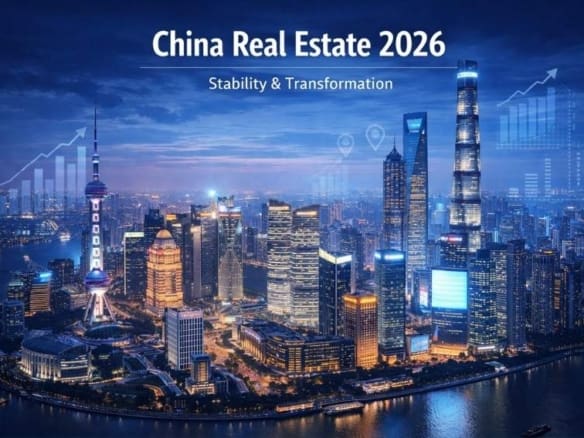
Are you curious whether foreigners can buy property in China? While China’s property market is vast and appealing, especially in cities like Shanghai, Beijing, and Shenzhen, the rules for foreign buyers are strict and specific. Yes — foreigners can buy property in China, but only under certain conditions. From legal residency requirements to usage limitations, this guide will walk you through everything you need to know before making a purchase, including the buying process, key restrictions, and practical tips for navigating China’s real estate landscape.
Why Invest in China’s Real Estate Market?
- Massive Urban Population: China has over 100 cities with populations exceeding one million. Rapid urbanization continues to drive demand for housing, infrastructure, and commercial space.
- Economic Resilience: Despite market slowdowns and global headwinds, China’s economy remains robust, with growth fueled by industrial innovation, digital transformation, and rising domestic consumption.
- Government Support for Key Cities: While the government has implemented tightening measures to control housing prices, it still supports growth in strategic cities and economic zones, making select urban markets attractive for long-term investors.
- Infrastructure Development: China continues to invest heavily in rail, highways, smart cities, and logistics zones. This consistent infrastructure expansion fuels surrounding real estate demand.
- Diversification Opportunities: Investors can explore a wide range of sectors—from luxury apartments and commercial real estate to logistics hubs and industrial parks.
Key Cities for Real Estate Investment in China
1. Shanghai
China’s financial capital and most international city. High demand for residential, office, and retail space. Strong rental yields in select districts and excellent long-term capital appreciation.
2. Beijing
The political and cultural center. Offers a steady residential market and a growing commercial real estate sector driven by tech and education industries.
3. Shenzhen
A high-tech powerhouse and innovation hub. Known for its startup ecosystem and proximity to Hong Kong. Residential and industrial properties here show strong demand and potential.
4. Guangzhou
A major trade and business city in southern China with an active rental market, particularly among expats and university students.
5. Chengdu & Hangzhou
Emerging second-tier cities gaining attention due to rising populations, tech industry growth, and increasing infrastructure investment.
Investment Sectors
- Residential Properties: Urban housing in tier-1 and tier-2 cities continues to be in demand, especially mid-range to luxury segments. However, government regulations aim to prevent speculative buying.
- Commercial Real Estate: Office spaces and shopping complexes in economic zones and business parks are popular, particularly in tech and trade centers like Shanghai and Shenzhen.
- Industrial and Logistics: With e-commerce booming, logistics hubs, warehouses, and supply chain real estate have seen increased demand, especially near coastal cities and trade ports.
- Hospitality and Tourism: China’s growing domestic tourism market creates demand for hotel properties in key cities and scenic regions.
- Mixed-Use Developments: Integrated residential, office, and retail projects are becoming more common, especially in urban centers and smart cities.
Legal & Regulatory Considerations
Foreign Ownership Rules:
Foreigners can buy property in China but must meet specific requirements:
-
Must have resided in China for at least one year.
-
Can only purchase one residential property for self-use (in most cities).
-
Commercial property purchases are more flexible but require business registration.
Land Use Rights: All land in China is state-owned. Residential land is typically leased for 70 years, commercial for 40–50 years. Property ownership is tied to these land-use rights.
Taxes and Fees: Investors should factor in deed tax (3%–5%), maintenance fees, value-added tax (VAT), and potential capital gains taxes on resale.
Financing: Mortgage access for foreigners is limited and subject to stricter criteria. Down payments are generally higher, and interest rates vary by region.
Repatriation of Profits: Foreign investors must navigate currency controls and approval processes to transfer rental income or sale profits out of China.
Tips for First-Time Investors
-
Focus on Tier-1 or Strong Tier-2 Cities: These offer better transparency, infrastructure, and capital growth potential.
-
Work with Local Experts: Partner with bilingual real estate agents, legal advisors, and notaries who understand the local market and laws.
-
Avoid Speculative Buying: Stick to data-backed decisions. Government crackdowns have curbed speculation in overheated markets.
-
Study Policy Trends: China’s property market is heavily influenced by central and local government policies—stay informed.
-
Plan Long-Term: Real estate in China favors patient capital. Short-term flipping is difficult due to taxes and regulations.
Future Outlook
While the Chinese real estate market has undergone significant adjustments in recent years—especially with the government’s “housing is for living, not for speculation” policy—the market is stabilizing. Key sectors like logistics, tech parks, and affordable housing offer promising opportunities.
The government’s push toward urban renewal, green development, and digital transformation will shape the next wave of investment potential. Smart cities, mixed-use developments, and sustainable projects are expected to rise in prominence.
Conclusion
China’s real estate market may be complex, but it offers powerful opportunities for investors willing to navigate its regulatory landscape. With the right strategy, due diligence, and local guidance, foreign investors can tap into the world’s most populous nation and one of its most ambitious urban development agendas.
Whether you’re eyeing commercial hubs in Shanghai or logistics assets in Greater Bay Area cities, China’s evolving real estate market still has space for well-informed, forward-thinking investors.