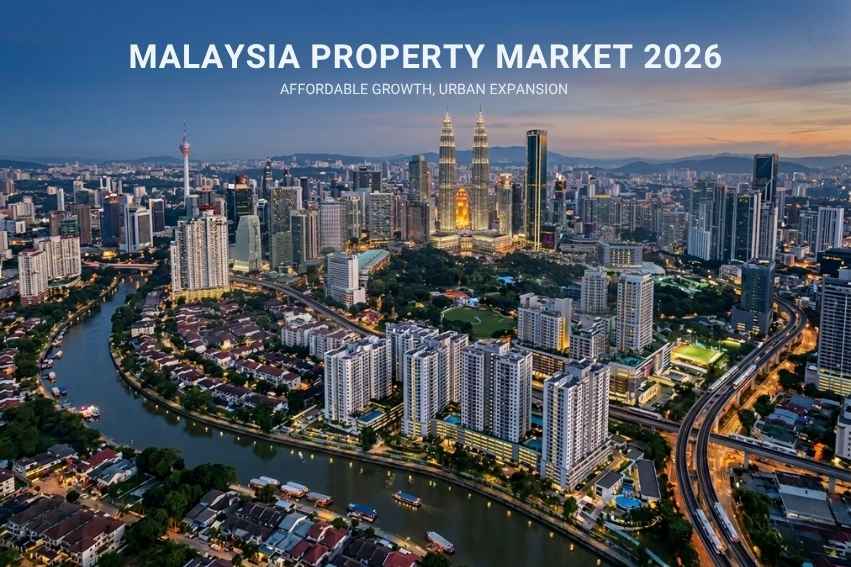
Malaysia’s property market in 2026 is quietly gaining strength. It may not grab global headlines like some major markets, but beneath the surface, it offers something many investors are actively looking for — affordability, steady growth, and strong rental potential.
After a few years of adjustment influenced by global economic conditions, the market is now moving toward stability and gradual expansion. With supportive government policies and increasing foreign interest, Malaysia is positioning itself as a practical and accessible real estate destination in Asia.
Market Overview
The Malaysian property market in 2026 is best described as balanced and opportunity-driven. Unlike overheated markets, it offers a more relaxed environment where buyers and investors can make informed decisions.
In cities like Kuala Lumpur, demand remains strong due to business activity, infrastructure development, and population growth. At the same time, markets such as Johor Bahru are gaining attention because of their strategic location and affordability.
Overall, the market is not driven by speculation but by real demand and long-term planning.
Property Prices in 2026
Property prices in Malaysia remain one of its biggest advantages. Compared to many global markets, prices are still relatively affordable, especially for first-time buyers and international investors.
In 2026, price movement is steady rather than aggressive. Urban centers are experiencing moderate growth, while some suburban and emerging areas are showing stronger potential due to infrastructure expansion.
This creates a market where buyers can still find value, rather than chasing rapidly increasing prices. The focus is shifting toward value-for-money properties and long-term appreciation.
Supply and Market Dynamics
Malaysia’s property market has gone through periods of oversupply, particularly in certain segments like high-rise apartments. However, in 2026, the situation is gradually improving.
Developers are becoming more cautious and strategic, focusing on projects that match actual demand. At the same time, government initiatives are supporting affordable housing and encouraging home ownership.
The balance between supply and demand is becoming healthier, especially in key urban areas where population growth continues to support housing needs.
Rental Market Performance
The rental market in Malaysia is showing consistent improvement in 2026. With more young professionals, expatriates, and students entering the market, rental demand is increasing in major cities.
In areas like Kuala Lumpur, rental properties are benefiting from:
- Strong demand from working professionals
- Growth in international students
- Expanding business and service sectors
Rental yields are becoming more attractive, particularly for well-located apartments and serviced residences. This makes Malaysia appealing for investors looking for steady income rather than speculative gains.
Foreign Investment and Market Appeal
One of Malaysia’s key strengths is its openness to foreign property investors. Compared to many countries, the process is relatively straightforward, and ownership regulations are more flexible.
Malaysia continues to attract international buyers due to:
- Affordable property prices
- Modern infrastructure and urban living standards
- Strategic location in Southeast Asia
- Programs encouraging foreign residency and investment
Cities like Penang are especially popular among foreign buyers due to their lifestyle appeal and tourism-driven economy.
Buyer Behavior in 2026
Buyers in Malaysia are becoming more selective and informed. Instead of focusing only on location, they are considering long-term usability, affordability, and rental potential.
There is a growing preference for:
- Mid-range and affordable housing
- Properties in well-connected areas
- Developments with modern amenities
Buyers are also paying more attention to developer reputation and project quality, reflecting a more mature and cautious market mindset.
Investment Opportunities
Malaysia offers a wide range of opportunities for investors in 2026. The market is particularly attractive for those seeking affordable entry points and long-term returns.
Key opportunities include:
- Urban apartments in major cities
- Serviced residences for rental income
- Properties in emerging growth areas
- Tourism-driven investments in coastal regions
The focus is shifting toward income-generating assets and steady appreciation, rather than quick resale profits.
Challenges in the Market
Despite its strengths, Malaysia’s real estate market still faces some challenges.
There are certain areas where oversupply remains a concern, especially in high-end developments. In addition, global economic conditions and currency fluctuations can influence foreign investment levels.
Other challenges include:
- Uneven demand across different regions
- Competition in certain property segments
- Dependence on economic growth for sustained demand
However, these challenges are gradually being addressed through better planning and market adjustments.
Future Outlook
Looking ahead, Malaysia’s real estate market is expected to continue its steady and controlled growth.
Urban expansion, infrastructure development, and increasing foreign interest will play key roles in shaping the market. At the same time, affordability will remain a major advantage, helping to sustain demand.
The market is likely to remain:
- Stable rather than volatile
- Accessible to a wide range of buyers
- Attractive for long-term investment
Conclusion
The Malaysia property market in 2026 offers a unique combination of affordability, stability, and growth potential.
For buyers, it provides an opportunity to enter the market at reasonable prices.
For investors, it offers consistent rental demand and long-term returns.
In a global environment where many property markets are becoming increasingly expensive, Malaysia stands out as a practical and promising option for real estate investment.