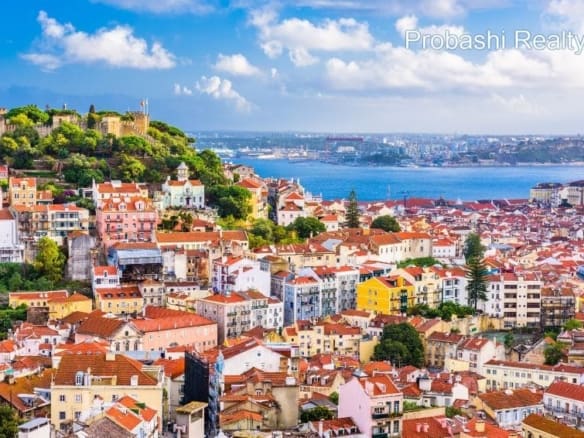
As Portugal enters 2026, its real estate market is moving through a phase of controlled growth shaped by international demand, housing policies, and lifestyle-driven investment. Unlike fast-growing emerging markets, Portugal’s property sector is evolving with stability and long-term appeal rather than rapid expansion.
Over the past few years, the market has experienced strong price growth, particularly in major cities and coastal regions. However, 2026 reflects a more mature stage, where growth is still present but increasingly influenced by affordability concerns, regulatory changes, and shifting investor priorities. This transition is creating a healthier environment where decisions are based more on long-term value than short-term speculation.
While rising property prices and policy adjustments are influencing buyer behavior, Portugal continues to attract global investors due to its coastal lifestyle, safety, strong infrastructure, and reliable rental potential. These factors make it one of the most desirable real estate markets in Europe for both lifestyle buyers and long-term investors.
In this article, we explore key trends, pricing patterns, and emerging opportunities across Portugal.
Market Overview: Growth Driven by Lifestyle & Foreign Buyers
Portugal’s real estate sector in 2026 is experiencing steady growth supported by international demand and urban development. The market is no longer expanding rapidly, but it continues to show resilience due to its strong fundamentals and global appeal.
Growth is becoming more selective and balanced, with investors and buyers focusing on quality properties, prime locations, and long-term returns. At the same time, affordability challenges and regulatory adjustments are shaping how the market evolves, particularly in high-demand urban areas.
Key Characteristics
- Strong demand from foreign buyers and expats
- Continued growth in tourism-driven property markets
- Increasing focus on rental and income-generating assets
- Government housing policies impacting market dynamics
- Moderate economic growth (around 1.8% – 2%)
Portugal’s economy is expanding steadily, supported by tourism, services, and foreign investment. However, housing affordability has become a key issue, leading to policy adjustments that directly affect the real estate sector. These policies are aimed at balancing market growth with local housing needs, which is shaping a more controlled environment.
Unlike purely domestic markets, Portugal’s property demand is heavily influenced by international buyers and lifestyle-driven relocation trends, especially in cities like Lisbon and Porto. This global demand base adds stability to the market even during periods of economic uncertainty.
Property Prices in 2026
Property prices in Portugal are showing moderate but location-driven growth, with stronger performance in high-demand areas. After several years of rapid increases, the market is now entering a phase where price growth is more aligned with economic fundamentals and buyer affordability.
In prime urban areas, prices remain high but are stabilizing, allowing buyers more time to evaluate options. Meanwhile, secondary cities and inland regions are becoming increasingly attractive due to their lower entry prices and improving infrastructure
Key Price Insights
- Continued price growth in Lisbon and Porto
- Stabilization in some high-priced central areas
- Strong demand in coastal regions like Algarve
- Slower growth in inland and less developed regions
Property Type Trends
- Apartments: High demand in urban centers
- Villas & holiday homes: Strong growth in coastal regions
- Luxury properties: Stable due to international demand
Portugal’s market is seeing a “lifestyle premium effect,” where buyers are willing to pay more for properties that offer scenic views, proximity to the coast, or access to high-quality urban amenities. This trend is especially visible in coastal and tourism-driven regions.
Regional Market Insights
Portugal’s property market varies significantly between urban hubs and lifestyle destinations, making it a diverse and flexible market for different types of buyers.
In major cities, demand is driven by employment opportunities, infrastructure, and rental potential. Meanwhile, coastal and resort areas are influenced more by tourism and international lifestyle buyers.
Major Urban Markets
- Lisbon remains the primary investment hub
- Porto gaining popularity due to affordability and growth
- Strong demand for rental apartments and renovated properties
Coastal & Lifestyle Markets
- Algarve driven by tourism and foreign buyers
- High demand for holiday homes and short-term rentals
- Coastal developments attracting international investors
Tourism continues to play a major role in shaping these markets. Portugal’s global reputation as a travel destination supports both property demand and rental income potential, especially in coastal regions.
Supply and Demand Dynamics
The balance between supply and demand remains tight in key areas, particularly in major cities and coastal regions. While demand continues to grow, supply is not increasing at the same pace, creating pressure on property prices.
Supply Trends
- Limited housing supply in major cities
- Slow pace of new construction due to regulations
- Increased development in suburban and secondary areas
Demand Trends
- Strong foreign buyer activity
- Rising demand for rental properties
- Increased interest in modern, energy-efficient homes
This imbalance between supply and demand is one of the main reasons why property values remain strong. Even when demand fluctuates, limited supply helps maintain price stability in key locations.
Interest Rates and Buyer Behavior
Economic conditions are influencing how buyers approach the market in 2026. While interest rates are not as low as in previous years, they remain manageable enough to support continued activity.
Key Observations
- Buyers are more cautious due to rising prices
- Financing conditions slightly tighter
- Increased focus on long-term value and rental income
As a result, buyers are taking a more strategic approach. Instead of quick decisions, they are focusing on properties that offer long-term benefits, including rental income and capital appreciation. Affordability concerns are also pushing some buyers toward smaller units or emerging areas.
Investment Opportunities in 2026
Portugal remains one of Europe’s most attractive real estate investment destinations, particularly for those seeking a combination of lifestyle and financial return.
The market offers opportunities across different segments, from urban apartments to coastal properties. Investors are increasingly focusing on assets that can generate stable income while also benefiting from long-term value growth.
Top Investment Segments
- Apartments in Lisbon and Porto
- Holiday homes in Algarve
- Short-term rental properties
- Renovation projects in historic areas
Why Investors Are Interested
- Strong tourism sector
- High rental demand
- Lifestyle appeal for global buyers
- Stable European market environment
Portugal continues to benefit from international investor confidence, supported by its reputation as a safe, stable, and high-quality living destination.
Rental Market Outlook
The rental market in Portugal remains strong and continues to grow, supported by both local demand and international tenants. Urbanization, remote work trends, and tourism are all contributing to increased rental activity.
Key Trends
- Increasing demand in Lisbon and Porto
- Growth in short-term rentals in tourist areas
- Rising rental yields in high-demand locations
- Strong demand from expats and remote workers
Short-term rental markets are closely linked to tourism performance, while long-term rentals are supported by population growth and housing affordability challenges. This dual demand structure provides flexibility for investors.
Challenges in the Market
Despite strong demand, several challenges remain that could influence market dynamics in the coming years.
- Rising property prices affecting affordability
- Housing policy changes impacting investors
- Limited supply in prime locations
- Pressure on local housing availability
Government measures aimed at improving affordability and regulating the market may create short-term uncertainty, but they are also contributing to long-term sustainability.
Future Outlook
Looking ahead, Portugal’s real estate market is expected to maintain steady and sustainable growth, supported by strong international demand and limited supply in key areas.
The market will continue to evolve, with increasing focus on quality developments, energy efficiency, and long-term investment value. Coastal regions and major cities will remain key drivers, while emerging areas may gain more attention.
- Maintain steady and sustainable growth
- Continue attracting foreign buyers
- Strengthen in coastal and lifestyle regions
- Expand rental and tourism-driven sectors
The overall direction of the market suggests a shift toward stability, resilience, and long-term performance.
Conclusion
The Portugal real estate market in 2026 is defined by stability, international demand, and lifestyle-driven growth.
For buyers, it offers opportunities in both urban and coastal markets with a wide range of property types and price levels. For investors, it presents strong potential in rental income and tourism-driven properties, supported by consistent demand.
Overall, 2026 represents a year of controlled growth and strategic investment, making Portugal one of the most balanced and attractive real estate markets in Europe.