

As Turkey enters 2026, its real estate market stands at a unique crossroads shaped by currency dynamics, strong domestic demand, and ongoing urban transformation. Unlike many stable Western markets, Turkey offers a highly dynamic and opportunity-driven environment, where timing and strategy play a crucial role.
With continued population growth, rapid urbanization, and strong foreign interest, Turkey remains one of the most active and attractive real estate markets in the region.
In this article, we explore the key trends shaping Turkey’s property market, including pricing behavior, regional hotspots, and investment opportunities.
Market Overview: Currency-Driven Growth & Strong Demand
Turkey’s real estate sector in 2026 is primarily influenced by currency fluctuations and high domestic demand.
Key characteristics include:
- Property prices driven by Turkish Lira depreciation
- High inflation impacting construction costs and property values
- Strong demand from both local buyers and foreign investors
- Continuous urban expansion in major cities
- Government support for housing and development projects
Unlike stable economies, Turkey’s market offers higher potential returns but also higher volatility, making it attractive for investors seeking growth opportunities.
Foreign investment remains a key driver, especially from buyers in the Middle East, Europe, and Asia, drawn by competitive pricing and citizenship opportunities.
Property Prices in 2026
Property prices in Turkey continue to rise, largely influenced by inflation and currency depreciation.
Key Price Insights
- Rapid price increases in local currency terms
- Still relatively affordable in USD and EUR compared to Europe
- Strong appreciation in major urban and coastal areas
- High construction costs pushing new property prices upward
Property Type Trends
- Apartments: High demand in urban centers like Istanbul and Ankara
- Luxury properties: Strong demand from foreign investors
- Villas & coastal homes: Popular in Antalya, Bodrum, and Izmir
Due to economic conditions, property is often seen as a hedge against inflation in Turkey.
Regional Market Insights
Turkey’s real estate market is highly diverse, with strong differences across regions.
Major Urban Markets
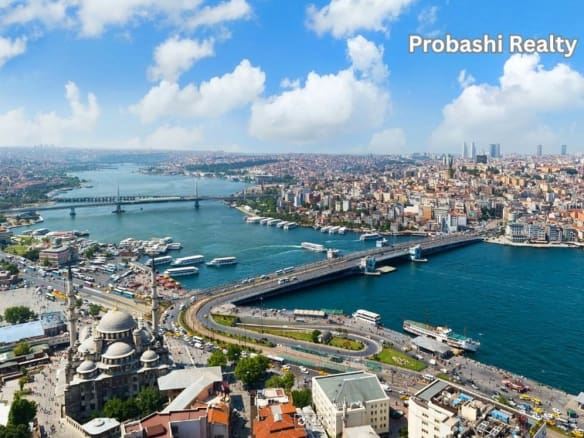
- Istanbul remains the largest and most active real estate hub
- High demand for both residential and commercial properties
- Ongoing infrastructure projects increasing connectivity
Coastal & Tourism Markets
- Antalya, Bodrum, and Fethiye attract foreign buyers
- Strong demand for holiday homes and rental properties
- Tourism plays a major role in property value growth
Emerging Regional Markets
- Ankara offers stable government-driven demand
- Izmir is gaining popularity for lifestyle buyers
- Secondary cities are offering more affordable entry points
These regional variations create multiple entry opportunities for investors.
Supply and Demand Dynamics
The Turkish real estate market is shaped by strong demand but constrained supply in key areas.
Supply Trends
- Increasing construction activity across major cities
- Rising costs of materials affecting new developments
- Government-led housing projects to address shortages
Demand Trends
- Strong domestic demand due to population growth
- Increased foreign buyer interest
- Rising demand for rental properties in urban centers
The imbalance between supply and demand continues to support price growth in prime locations.
Interest Rates and Buyer Behavior
Interest rates and economic conditions play a major role in Turkey’s property market.
Key Observations
- High inflation influences buyer urgency
- Buyers often prefer real estate as a store of value
- Mortgage rates affect local affordability
- Foreign buyers rely more on cash transactions
Property purchases in Turkey are often driven by wealth protection strategies rather than purely lifestyle choices.
Investment Opportunities in 2026
Turkey offers a wide range of real estate investment opportunities, particularly for international buyers.
Top Investment Segments
- Residential apartments in Istanbul
- Luxury villas in coastal regions
- Rental properties in tourist destinations
- Off-plan and new developments
Why Investors Are Interested
- Competitive property prices compared to Europe
- Potential for high capital appreciation
- Strong rental yields in major cities
- Citizenship by investment opportunities
Turkey remains one of the few markets where investors can benefit from both growth potential and residency incentives.
Rental Market Outlook
The rental market in Turkey continues to grow, especially in major cities and tourist destinations.
Key Trends
- Increasing rental demand in Istanbul
- Strong short-term rental market in coastal areas
- Rising rents due to inflation and housing shortages
- High demand for furnished apartments
Rental income plays an important role in supporting overall investment returns.
Challenges in the Market
Despite its opportunities, the Turkish real estate market faces several challenges:
- High inflation impacting affordability
- Currency volatility affecting pricing stability
- Rising construction and development costs
- Economic uncertainty influencing buyer confidence
These factors make careful market analysis essential before investing.
Future Outlook
Looking ahead, Turkey’s real estate market is expected to:
- Continue rising in local currency terms
- Attract strong foreign investment interest
- Benefit from ongoing urban development
- Remain a high-potential but volatile market
The focus will remain on strategic investment timing and location selection.
Conclusion
The Turkey real estate market in 2026 is defined by currency-driven growth, strong demand, and strategic opportunity.
For buyers, it offers access to affordable property compared to global markets.
For investors, it provides high return potential supported by economic dynamics and foreign demand.
Overall, 2026 is a year of opportunity and calculated risk in one of the most dynamic real estate markets in the world.
Join The Discussion