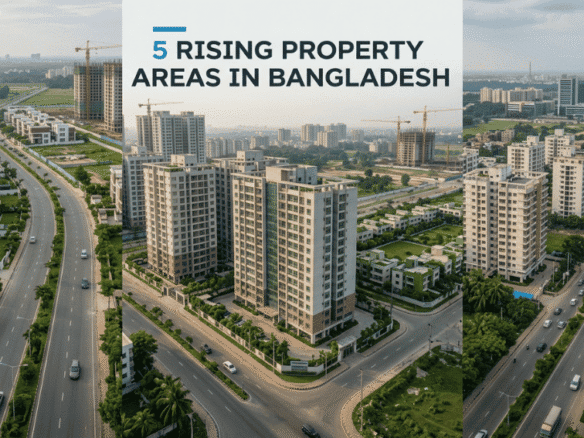
The real estate sector in Bangladesh is undergoing a major transformation as it enters 2026. Driven by rapid urbanization, infrastructure expansion, and rising income levels, the property market is becoming one of the most active investment sectors in South Asia. Cities such as Dhaka and Chattogram are experiencing continuous demand pressure, pushing developers to adopt modern construction techniques and more efficient urban planning strategies.
At the same time, Bangladesh is witnessing a shift in lifestyle preferences. Buyers are no longer only focused on owning property; they are increasingly prioritizing security, smart facilities, community living, and long-term investment value. This shift is shaping the future direction of the entire real estate ecosystem.
1. Overview of Bangladesh Real Estate Market in 2026
The real estate market in 2026 reflects a more mature and structured phase compared to previous years. Demand for housing continues to rise due to population growth and internal migration, especially toward major urban centers. This has created a highly competitive environment among developers who are now focusing on quality, design innovation, and customer-centric projects.
The market is currently driven by several important factors:
- Continuous urban migration increasing housing pressure
- Strong demand for both affordable and premium housing
- Growth of mixed-use commercial and residential projects
- Rising interest in suburban expansion areas
- Increased focus on planned urban development
In addition to residential demand, commercial real estate is also expanding. Office spaces, retail complexes, and mixed-use developments are becoming increasingly important as businesses grow and urban economies diversify. This dual growth in both residential and commercial segments is strengthening the overall market stability.
2. Key Growth Drivers
Rapid Urbanization
Urbanization remains one of the strongest forces shaping the real estate landscape. Every year, thousands of families move to major cities in search of better opportunities, creating sustained demand for housing.
This migration is influencing city development in several ways:
- Expansion of high-rise apartment projects
- Growth of suburban residential zones
- Increased pressure on urban infrastructure
- Rising demand for rental housing
- Development of satellite towns around major cities
As a result, cities are expanding both vertically and horizontally. High-rise apartments are replacing traditional housing models in dense urban zones, while new residential zones are being developed on the outskirts to accommodate population pressure.
Economic Growth and Middle-Class Expansion
Bangladesh’s steady economic progress has significantly expanded the middle-income population, which now plays a central role in property demand. This group is primarily focused on practical, affordable, and lifestyle-oriented housing.
Key characteristics of this segment include:
- Preference for mid-range apartments
- Demand for modern amenities and security systems
- Interest in long-term housing investment
- Growing access to housing loans and financing
- Desire for community-based living environments
With increased purchasing power, more families are seeking modern living spaces with better amenities such as parking facilities, security systems, elevators, and recreational areas. This shift is pushing developers to upgrade their offerings and introduce more value-driven housing solutions.
Infrastructure Development
Infrastructure development is one of the most important drivers of real estate appreciation in 2026. Large-scale government projects are reshaping connectivity and opening new investment corridors.
Major infrastructure impacts include:
- Faster travel through metro rail systems
- Improved road connectivity via expressways
- Expansion of bridge and highway networks
- Development of new economic zones
- Increased accessibility to suburban regions
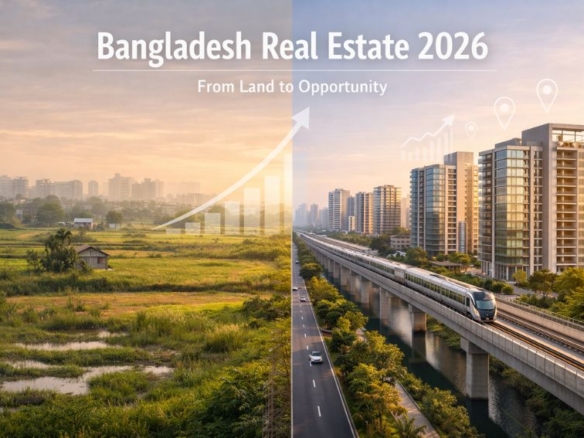
These improvements are directly increasing land value in previously underdeveloped areas, making infrastructure-linked properties highly attractive.
Remittance Investment
Remittance continues to play a vital role in supporting the real estate sector. Many expatriate Bangladeshis view property as a safe and stable investment option for long-term wealth preservation.
Common investment patterns include:
- Purchase of urban residential apartments
- Investment in land for future development
- Construction of family homes in hometowns
- Joint investments with local developers
- Long-term rental income strategies
For many expatriates, real estate is considered a safe and long-term investment option. This consistent inflow of foreign-earned income provides stability to the market and helps sustain demand even during economic fluctuations.
3. Hot Investment Locations in 2026
Dhaka – The Core Market
Dhaka remains the most important real estate hub in the country. Limited land availability and rising population continue to push property values upward.
Key investment highlights include:
- Luxury zones like Gulshan, Banani, Baridhara
- Mid-income areas like Uttara and Mirpur
- High-growth planned area: Purbachal New Town
- Strong demand for both rental and ownership properties
- Continuous expansion of high-rise developments
Premium areas such as Gulshan, Banani, and Baridhara are known for luxury apartments and diplomatic residences, while Uttara and Mirpur cater more to middle-income buyers. At the same time, Purbachal New Town is emerging as a major planned urban development project, offering long-term investment potential with modern infrastructure and organized zoning.
Chattogram – Commercial Expansion Hub
Chattogram is rapidly evolving into a major commercial and industrial real estate hub. As the country’s main port city, it plays a vital role in international trade and logistics, which directly drives demand for warehouses, office spaces, and commercial properties.
Investment advantages include:
- Strong demand for warehouses and logistics hubs
- Expansion of commercial office spaces
- Growth of export-driven industries
- Increasing residential demand from workers
- Rising interest in business district development
In recent years, the city has also seen growth in residential developments due to increasing employment opportunities. Investors are increasingly viewing Chattogram as a strong alternative to Dhaka, especially for long-term commercial gains.
Sylhet – Emerging Residential Market
Sylhet is gradually emerging as a premium residential market, especially for expatriates. Its peaceful environment and cultural connections make it highly attractive for long-term living.
Key attractions include:
- Strong expatriate investment interest
- Demand for retirement and family homes
- Scenic and low-density living environment
- Growing infrastructure and urban facilities
- Increasing property appreciation potential
The city’s natural beauty, growing infrastructure, and improving connectivity are making it a preferred destination for peaceful residential living. As a result, property demand in Sylhet is steadily increasing, especially in suburban areas.
Gazipur & Narayanganj – Industrial Growth Zones
These regions are becoming important industrial and logistics corridors near Dhaka. Their affordability and strategic location make them attractive for long-term investors.
Key developments include:
- Expansion of garment and manufacturing industries
- Growth in warehouse and storage facilities
- Demand for worker housing projects
- Affordable land compared to central Dhaka
- Strong rental income potential
Affordable land prices and ongoing infrastructure development make these areas highly attractive for long-term investors seeking industrial and rental income opportunities.
4. Types of Real Estate Opportunities
Residential Properties
Residential real estate remains the most active segment in Bangladesh. Buyers are increasingly focused on lifestyle, comfort, and long-term value rather than just ownership.
Key features include:
- Modern apartments with smart layouts
- Gated community developments
- Luxury condominium projects
- Affordable housing schemes
- Family-friendly living environments
Developers are responding by offering smarter layouts, better space utilization, and improved lifestyle facilities, making residential projects more competitive and attractive.
Commercial Properties
Commercial real estate is expanding rapidly with growing business activities. Developers are focusing on flexible and multi-purpose spaces.
Key trends include:
- High demand for office spaces
- Growth of shopping malls and retail hubs
- Rise of co-working environments
- Integration of residential-commercial complexes
- Focus on location accessibility
Modern commercial projects now focus on flexibility, accessibility, and integrated services, catering to both multinational companies and local enterprises.
Land Investment
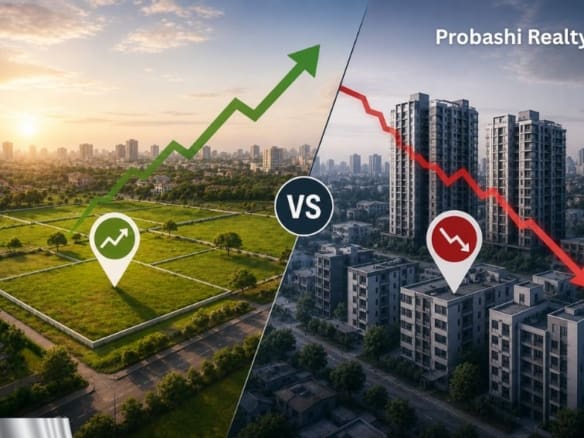
Land remains one of the most secure long-term investment options. Many investors purchase land in developing areas for future appreciation.
Investment advantages include:
- Strong capital appreciation over time
- Expansion of urban boundaries
- Low maintenance cost compared to buildings
- Flexibility for future development
- High demand in suburban zones
As urban boundaries expand, previously low-value areas are transforming into high-demand zones, making land investment a strategic opportunity for long-term wealth building.
Industrial Real Estate
Industrial real estate is gaining importance due to Bangladesh’s strong manufacturing sector. Warehouses, logistics centers, and factory buildings are in increasing demand, especially near transport hubs.
Key highlights include:
- Demand for logistics and warehousing
- Factory and production facility expansion
- Strategic location near transport routes
- Long-term industrial leasing opportunities
- Support for national export industries
5. Market Trends in 2026
Smart Housing Development
Smart housing is becoming more common in urban developments. Buyers now expect technology-integrated living environments.
Key features include:
- Smart security and surveillance systems
- Energy-efficient building designs
- Automated home management systems
- Digital access control features
- Sustainable utility management
Modern housing projects are increasingly integrating smart technologies such as automated lighting, security systems, and energy-efficient solutions. These features enhance convenience, safety, and sustainability, making properties more attractive to modern buyers.
Vertical Expansion
Due to limited land availability in major cities, vertical expansion has become a dominant trend. High-rise apartment buildings are now the standard in urban development, allowing more efficient use of space while accommodating growing populations.
Key impacts include:
- Increasing number of high-rise buildings
- Efficient land utilization
- Improved urban skyline development
- Higher population accommodation capacity
- Reduced horizontal urban sprawl
Sustainable Construction
Environmental awareness is influencing construction practices. Developers are adopting eco-friendly materials, better waste management systems, and energy-saving designs to reduce environmental impact and improve long-term sustainability.
Key practices include:
- Use of eco-friendly building materials
- Energy-saving construction designs
- Better waste management systems
- Green rooftop and open space planning
- Environment-conscious development standards
Digital Property Marketing
The real estate industry is rapidly embracing digital platforms. Online listings, virtual tours, and social media marketing are now essential tools for reaching buyers and investors. This digital transformation is increasing transparency and accessibility in the market.
Key changes include:
- Online property listing platforms
- Virtual property tours
- Social media-based marketing campaigns
- Increased transparency for buyers
- Faster communication between buyers and sellers
6. Challenges in the Sector
Despite strong growth, the real estate sector in Bangladesh still faces several structural challenges. High land prices in urban areas make affordability a concern for middle-income families, limiting access to quality housing.
Major issues include:
- High land prices in urban locations
- Complex land ownership documentation
- Infrastructure pressure in major cities
- Limited financing access for middle-income buyers
- Administrative and regulatory delays
Access to financing remains another challenge, particularly for first-time buyers, while regulatory delays can impact project completion timelines. Addressing these issues is essential for ensuring sustainable long-term growth.
7. Investment Outlook for 2026 and Beyond
The future of Bangladesh real estate remains highly positive. Strong economic fundamentals and continuous infrastructure development are expected to drive long-term growth.
Future opportunities include:
- Expansion of smart city projects
- Growth of planned suburban developments
- Increased foreign and diaspora investment
- Rising demand for modern housing
- Diversification of commercial real estate
Early investment in emerging zones is expected to deliver strong returns in the coming years. For long-term investors, early entry into developing zones and infrastructure-linked areas offers significant potential for capital appreciation and rental income growth.
Conclusion
The Bangladesh real estate market in 2026 is entering a new era of structured growth and modernization. With major cities like Dhaka and Chattogram leading the transformation, and emerging regions gaining momentum, the sector is becoming more dynamic and investment-friendly.
For investors, developers, and homebuyers, this is a crucial time to explore opportunities in a rapidly evolving market that offers both stability and long-term growth potential.