
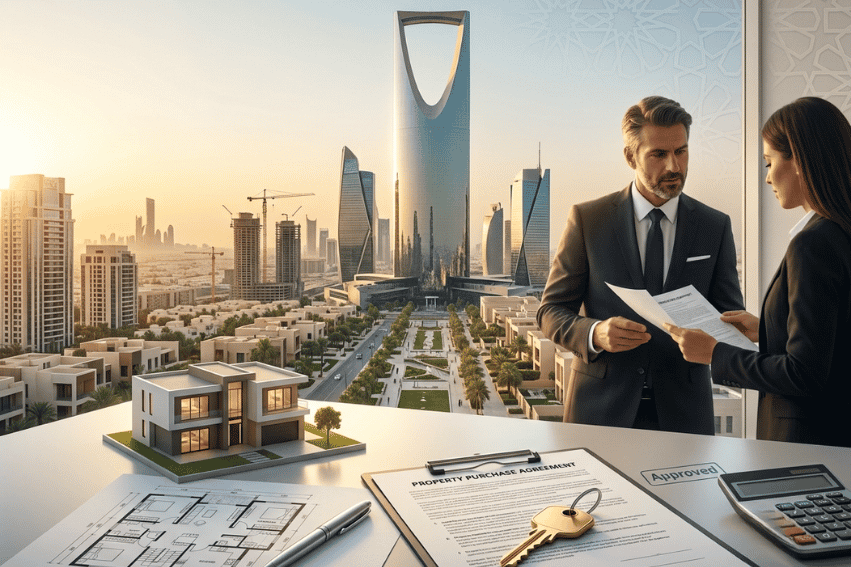
Saudi Arabia is rapidly emerging as one of the world’s most attractive real estate investment destinations. Over the past few years, the Kingdom has undergone remarkable economic and regulatory changes aimed at transforming its economy beyond oil. Through the ambitious Vision 2030 initiative, Saudi Arabia is investing billions of dollars in smart cities, tourism, infrastructure, and urban development, creating unprecedented opportunities for both local and international property investors.
As foreign ownership regulations gradually become more accommodating, many expatriates, overseas investors, and business owners are exploring the possibility of purchasing residential and commercial properties across the Kingdom. Cities such as Riyadh, Jeddah, Dammam, and emerging developments like NEOM are attracting global attention for their growth potential, modern infrastructure, and increasing property demand.
However, buying property in Saudi Arabia involves much more than simply choosing a house or apartment. Prospective buyers need to understand foreign ownership regulations, legal requirements, property costs, financing options, and the investment potential of different cities before making any decision.
This comprehensive guide explains everything you need to know about buying property in Saudi Arabia in 2026, including eligibility, legal rules, costs, investment opportunities, and practical tips for foreign buyers.
Why Saudi Arabia’s Real Estate Market Is Growing Rapidly
Saudi Arabia’s property market has experienced significant momentum over the past several years. This growth is largely driven by government reforms, infrastructure investments, economic diversification, and increasing demand for quality residential and commercial developments.
Vision 2030 Is Transforming the Economy
The Saudi government’s Vision 2030 program aims to diversify the country’s economy by reducing dependence on oil while expanding sectors such as tourism, entertainment, finance, technology, and real estate.
Major investments are being directed toward:
- Smart city development
- Transportation infrastructure
- Tourism projects
- Commercial districts
- Residential communities
- Digital transformation
These developments are generating new employment opportunities, attracting international businesses, and increasing demand for modern housing.
Mega Projects Driving Property Demand
Several world-famous mega projects are reshaping Saudi Arabia’s real estate landscape.
These include:
- The Line
- Red Sea Global
- Qiddiya Entertainment City
- King Salman Park
- Riyadh Metro
- Diriyah Gate Development
As these projects progress, surrounding residential and commercial property values may benefit from increased infrastructure, business activity, and population growth.
Strong Population Growth and Urbanization
Saudi Arabia continues to experience rapid urban development.
Large cities such as Riyadh and Jeddah are attracting:
- International companies
- Skilled professionals
- Foreign workers
- Entrepreneurs
- Students
- Investors
This growing population supports long-term demand for both rental housing and owner-occupied properties.
Can Foreigners Buy Property in Saudi Arabia?
One of the most frequently asked questions is whether foreigners are legally allowed to purchase property in Saudi Arabia.
The answer is yes, but ownership is subject to Saudi laws and regulations.
The Kingdom has gradually introduced reforms that allow certain categories of foreign buyers to purchase residential and commercial properties under approved conditions.
However, eligibility depends on several factors, including residency status, investment purpose, property location, and government regulations.
Who Can Buy Property?
Eligible buyers may include:
- Expatriates with valid residency permits (Iqama)
- International investors
- Foreign companies operating legally in Saudi Arabia
- GCC nationals (subject to applicable regulations)
Eligibility requirements may vary depending on the type of property and location.
Understanding the Role of the Iqama
For expatriates living in Saudi Arabia, the Iqama serves as the official residency permit issued by the Saudi government.
The Iqama is often an important document when:
- Applying for financing
- Completing legal transactions
- Opening bank accounts
- Registering property-related services
Having a valid residency status may simplify certain property purchase processes, particularly when financing is involved.
What About the Kafala System?
Many expatriates are familiar with Saudi Arabia’s traditional Kafala (sponsorship) system.
Although labor reforms have increased flexibility for many workers, employment status and residency documentation may still be relevant during financing or legal procedures.
Importantly, a sponsor does not automatically own or control property purchased and legally registered in the buyer’s name.
Property Types Available to Foreign Buyers
Subject to applicable regulations, foreigners may be able to purchase:
- Apartments
- Villas
- Townhouses
- Commercial offices
- Retail units
- Investment properties
- Selected land parcels (where permitted)
Availability depends on government regulations and project-specific approvals.
Restricted Areas
Certain areas have additional legal restrictions.
Properties in Makkah and Madinah are governed by special ownership regulations, and foreign ownership opportunities may be limited depending on applicable laws.
Before purchasing any property, buyers should always verify whether foreign ownership is permitted in the specific location.
Best Cities to Buy Property in Saudi Arabia
Choosing the right city is one of the most important investment decisions.
Each city offers different advantages depending on your objectives.
Riyadh
Riyadh is Saudi Arabia’s political, financial, and business capital.
It offers:
- Strong long-term appreciation potential
- High rental demand
- Expanding infrastructure
- Government investment
- Corporate headquarters
- Modern residential communities
Popular investment areas include Al Olaya, King Abdullah Financial District, Al Malqa, and Al Narjis.
Jeddah
Jeddah combines business opportunities with a vibrant coastal lifestyle.
Advantages include:
- Red Sea waterfront developments
- Luxury residential projects
- Tourism growth
- Strong expatriate community
- Premium rental market
It is particularly attractive for investors interested in luxury apartments and holiday-oriented properties.
Dammam
Dammam offers relatively affordable property prices while maintaining consistent housing demand.
Benefits include:
- Industrial economy
- Stable employment market
- Family-oriented communities
- Affordable entry prices
- Reliable rental demand
How Much Does It Cost to Buy Property?
Property prices vary depending on:
- City
- Neighborhood
- Property type
- Project quality
- Amenities
- Developer reputation
Luxury communities naturally command higher prices than standard residential developments.
However, buyers should remember that the purchase price is only one component of the overall investment.
Additional Costs to Consider
Besides the property’s selling price, buyers should budget for:
- Government registration fees
- Legal fees
- Real estate agent commissions
- Property valuation costs
- Mortgage processing fees (if applicable)
- Utility connection charges
- Insurance
- Community maintenance fees
Ignoring these expenses can significantly affect your total investment budget.
Understanding the Legal Process
Legal due diligence is essential before purchasing any property.
Before signing any agreement, buyers should:
- Verify property ownership
- Confirm the seller’s legal authority
- Review title documentation
- Check for disputes or outstanding obligations
- Understand contract terms
- Confirm foreign ownership eligibility
- Complete official registration procedures
Working with experienced real estate professionals and legal advisors can help reduce potential risks.
Financing Options
Not every buyer pays the full purchase price in cash.
Saudi Arabia offers several financing solutions depending on eligibility.
Common options include:
- Sharia-compliant home financing
- Islamic mortgage products
- Developer installment plans
- Corporate financing for commercial properties
Approval generally depends on income, residency status, employment history, and financial qualifications.
Is Buying Property in Saudi Arabia a Good Investment?
Saudi Arabia’s property market presents attractive opportunities for many investors.
Several factors support long-term growth, including:
- Vision 2030 development projects
- Infrastructure expansion
- Tourism growth
- Economic diversification
- Population growth
- Rising housing demand
- Increasing international investment
At the same time, property investment always carries risks.
Market conditions, legal regulations, project timelines, and location selection can all influence investment performance.
Successful investors typically conduct thorough market research, evaluate developers carefully, and adopt a long-term investment strategy rather than expecting immediate returns.
Tips Before Buying Property
Before making any investment decision, consider the following recommendations:
- Define your investment objectives.
- Research the local property market thoroughly.
- Compare multiple developments and locations.
- Verify all legal documents before signing.
- Understand every cost involved in the purchase.
- Work with licensed real estate professionals.
- Seek legal advice when necessary.
- Consider long-term market trends rather than short-term speculation.
- Ensure the property aligns with your financial goals.
Conclusion
Saudi Arabia’s real estate sector is undergoing one of the most significant transformations in its history. Vision 2030 has created new opportunities for residential, commercial, and investment properties, making the Kingdom an increasingly attractive destination for qualified foreign buyers and global investors.
While purchasing property in Saudi Arabia has become more accessible, successful investment requires careful planning, a clear understanding of legal requirements, realistic budgeting, and thorough market research. Choosing the right city, verifying ownership documents, and understanding financing options are all essential steps in making an informed decision.
Whether you are an expatriate looking for a permanent home, a business owner expanding into the Saudi market, or an investor seeking long-term growth opportunities, Saudi Arabia offers a dynamic and evolving property landscape. By approaching the market with the right knowledge and professional guidance, you can make confident decisions and position yourself to benefit from one of the Middle East’s fastest-growing real estate markets.