
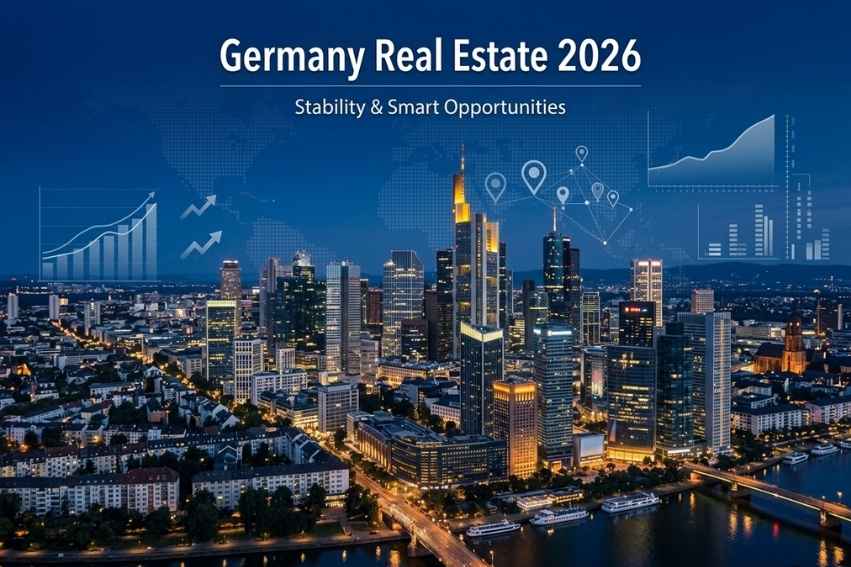
The Germany property market in 2026 is moving through a phase of adjustment and stabilization after several years of economic pressure. Rising interest rates, stricter lending conditions, and increased construction costs slowed down the rapid growth that once defined the market. However, instead of collapsing, the sector has shifted toward a more balanced and sustainable structure.
In 2026, the market is no longer driven by urgency or speculation. Instead, it reflects real demand, financial discipline, and long-term planning, making it more predictable for both buyers and investors.
Market Overview
Germany’s real estate sector is now operating in a more controlled and mature environment. The intense competition seen in previous years has eased, allowing both buyers and sellers to make more rational decisions.
In major cities such as Berlin and Munich, demand remains strong due to economic activity and population growth, but the pace of transactions has slowed. Properties are spending more time on the market, and price negotiations have become more common.
This shift indicates a market that is no longer overheated but is instead stabilizing around realistic values.
Property Prices in 2026
Property prices in Germany are showing signs of stability after a period of correction. While some regions experienced slight declines earlier, 2026 is seeing a more balanced price movement.
In high-demand urban areas, prices remain relatively strong due to limited supply and continuous demand. However, price growth is slower and more controlled. Buyers are no longer rushing into purchases, which has reduced sudden price spikes.
In contrast, smaller cities and less competitive regions have seen more noticeable adjustments, making them more accessible to new buyers and investors. Overall, the market is aligning with true affordability levels rather than speculative pricing.
Supply and Housing Constraints
One of the most important factors shaping the German real estate market is the ongoing shortage of housing supply.
New construction activity has slowed due to several challenges, including rising material costs, high interest rates, and strict regulatory requirements. Developers are becoming more cautious, which is limiting the number of new projects entering the market.
At the same time, demand continues to grow, especially in economically active cities like Frankfurt and Hamburg. This imbalance between supply and demand is preventing significant price declines and supporting long-term market stability.
In simple terms, even when demand slows slightly, the lack of supply keeps the market from weakening too much.
Rental Market Dynamics
The rental market remains one of the strongest pillars of Germany’s real estate sector in 2026. A large portion of the population prefers renting due to affordability challenges and financing constraints.
Demand for rental housing is consistently high, particularly in urban centers and university cities. Vacancy rates remain low, and rental prices are gradually increasing in key locations.
This creates a favorable environment for investors who are focused on long-term income. Rather than relying on quick property appreciation, many investors are now prioritizing steady rental returns and occupancy stability.
Changing Buyer Behavior
Buyer behavior in Germany has evolved significantly in recent years. In 2026, buyers are more cautious, informed, and financially aware.
Instead of making quick decisions, they are taking time to evaluate properties based on long-term affordability, energy efficiency, and location advantages. There is also a growing preference for properties that are ready to move in, reducing the risks associated with construction delays.
Key priorities for buyers now include:
- Energy-efficient and sustainable housing
- Practical living spaces rather than large luxury units
- Well-connected suburban or secondary city locations
This shift reflects a more mature and disciplined market mindset, where decisions are driven by logic rather than urgency.
Investment Opportunities
Despite the slowdown in price growth, Germany continues to offer strong opportunities for long-term investors. The market’s stability, combined with consistent rental demand, makes it one of the most reliable property markets in Europe.
Investors are focusing on strategies that provide steady returns rather than short-term gains. Popular investment approaches include rental properties in major cities, properties in growing secondary cities, and renovation projects that add value over time.
The most attractive opportunities in 2026 include:
- Residential rental units in high-demand urban areas
- Properties in cities with strong employment growth
- Older properties suitable for renovation and resale
Germany’s strong legal framework and transparent property system further increase investor confidence.
Challenges in the Market
While the market is stabilizing, it still faces several challenges that cannot be ignored.
High interest rates continue to affect affordability, making it difficult for some buyers to enter the market. Construction activity remains slow, which limits the availability of new housing. In addition, strict regulations and energy efficiency requirements increase development costs.
These challenges include:
- High borrowing costs compared to previous years
- Limited housing supply in major cities
- Expensive entry prices in prime locations
- Regulatory and construction constraints
However, these same challenges also contribute to a more controlled and stable market environment.
Future Outlook
Looking ahead, the Germany real estate market is expected to continue its gradual recovery and stabilization.
Price growth is likely to remain moderate, supported by strong demand and limited supply. Buyer activity is expected to increase slowly as confidence improves and financing conditions become more predictable.
The market will continue to shift toward:
- Sustainable and energy-efficient housing
- Long-term investment strategies
- Balanced supply and demand conditions
Overall, Germany’s property sector is moving toward a more sustainable and resilient future.
Conclusion
The Germany property market in 2026 represents a shift from rapid growth to stability and long-term value.
For buyers, the market offers more time, better negotiation opportunities, and realistic pricing. For investors, it provides a reliable environment with strong rental demand and steady returns.
Rather than being driven by short-term trends, the market is now shaped by fundamentals, discipline, and long-term confidence.
Join The Discussion