Saudi Arabia is preparing to unlock its real estate sector in a historic move that will allow foreigners to own property starting January 2026. This is a milestone in the Kingdom’s Vision 2030 transformation plan, designed to diversify its economy, attract international investment, and modernize its cities.
This guide covers everything you need to know: eligibility, locations, timeline, legal framework, investment potential, and how it compares to other Gulf markets like Dubai and Doha.
What’s Changing?
Saudi Arabia’s Council of Ministers approved a new property law in July 2025, paving the way for non-Saudi individuals and companies to buy and own real estate, including residential, commercial, and investment properties.
For the first time ever, you won’t need Saudi citizenship or residency to invest in the Kingdom’s property market — but you’ll need to follow specific rules tied to approved locations and ownership types.
Who Will Be Eligible?
Allowed to buy:
-
Foreign expatriates living in Saudi Arabia (with or without long-term residency)
-
Foreign investors and business entities from outside Saudi Arabia
-
Real estate development companies (regional and global)
-
High-net-worth individuals (HNWI)
Not required:
-
Saudi citizenship
-
Long-term residency (e.g., you may be able to buy even as a non-resident investor)
However, there may be minimum investment thresholds, ownership caps, or special licenses depending on property type and location — to be confirmed by the end of 2025.
Where Will Foreigners Be Allowed to Buy Property?
The Saudi government has confirmed the first two major cities:
1. Riyadh
-
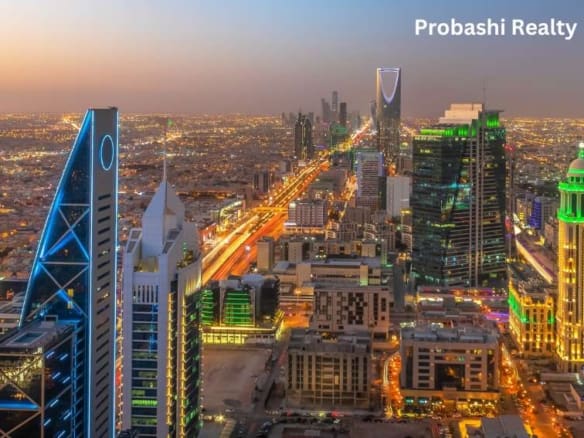
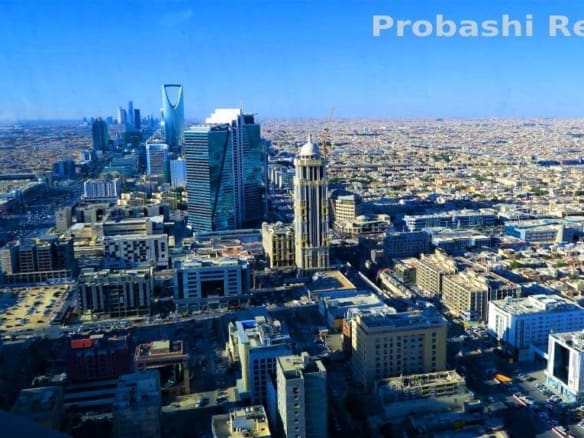
Rapidly becoming a global business capital.
-
Home to large development projects like King Salman Park, Diriyah Gate, and Qiddiya.
-
Massive demand for housing, office spaces, and mixed-use developments.
2. Jeddah
-
A vibrant coastal city and gateway to the Red Sea.
-
Hub for logistics, commerce, and tourism.
-
Major urban redevelopment under Jeddah Central Project and New Jeddah Downtown.
3. Other Expected Zones (Likely)
-
NEOM – The $500B smart city spanning 26,500 km² near the Red Sea.
-
The Red Sea Project – A luxury coastal tourism and resort zone.
-
AlUla – Cultural heritage and eco-tourism hub.
-
Eastern Province – Especially Dammam and Khobar for commercial and residential growth.
⚠️ Makkah and Madinah will have restricted access due to religious significance. Foreigners may be allowed to lease or co-invest, but full ownership will likely require special government permits.
Timeline of Implementation
| Date | Milestone |
|---|---|
| July–December 2025 | Public feedback on draft rules via “Istitaa” portal |
| Q4 2025 | Official announcement of ownership zones and terms |
| January 2026 | Law comes into effect; foreign property ownership begins |
The “Istitaa” platform will host consultations, allowing citizens and expats to review and suggest feedback on the draft regulations.
Types of Properties Foreigners May Be Able to Own
| Property Type | Status (Expected) |
|---|---|
| Residential apartments and villas | ✅ Allowed in approved zones |
| Commercial offices and retail shops | ✅ Allowed |
| Land for development | ✅ Likely, with government approval |
| Agricultural land | ❌ Likely restricted |
| Property in holy cities | ⚠️ Restricted or lease-only |
Investment Opportunities
Saudi Arabia aims to attract:
-
Institutional investors
-
Real estate developers
-
Individual buyers looking for second homes or rental income
Key factors boosting the investment case:
-
Undervalued Market: Property prices in Riyadh and Jeddah are still lower than Dubai or Doha.
-
Rising Population: Demand for housing is growing fast due to economic expansion and Vision 2030 mega-projects.
-
Favorable Regulations Coming: Ownership rights, visa reforms, and mortgage access are improving.
-
High Rental Yields: Shortage of rental housing in tier-1 cities offers attractive returns.
Market Comparison: Saudi Arabia vs Dubai vs Doha
| Feature | Saudi Arabia | Dubai | Doha |
|---|---|---|---|
| Foreign ownership | Starts 2026 | Since 2002 | Since 2004 |
| Citizenship required | No | No | No |
| Holy cities access | Restricted | Not applicable | Not applicable |
| Freehold zones | Designated areas only | Many zones | Limited zones |
| Price per m² (Riyadh avg.) | ~$2,200 | ~$5,000 | ~$3,800 |
| Rental yield | 6–8% expected | 4–6% | 4–5% |
Note: Saudi real estate is less saturated, offering greater long-term upside.
Vision 2030 Mega Projects Driving Demand
The new law complements Saudi Arabia’s multi-trillion-dollar infrastructure push:
-
NEOM – A new global city with zero-carbon, AI-powered communities.
-
The Line – 170km urban corridor for 9 million residents.
-
Qiddiya – The future capital of entertainment and sports.
-
Red Sea Project – Sustainable luxury tourism resorts.
-
Riyadh Metro & Expansion – Making the capital a global hub.
All these require housing, offices, hotels, and retail developments — creating vast potential for investors.
What Should Expats and Global Investors Do Now?
✅ Action Steps:
-
Monitor “Istitaa” Platform
Look out for official regulations, eligible zones, and ownership terms. -
Research Projects
Study market data in Riyadh, Jeddah, NEOM, and the Red Sea. -
Network with Developers
Many will pre-launch investment opportunities in 2025. -
Prepare Financing Options
Foreigners may soon gain access to Saudi mortgages. -
Understand Taxes and Fees
Learn about capital gains tax, property registration costs, and VAT on real estate.
Legal Protections & Government Oversight
The government has promised:
-
Transparent ownership laws
-
Efficient title registration
-
Investor protections
-
No forced joint ventures with Saudi sponsors
These align with international standards and aim to build investor confidence.
A Global Trend: Why This Move Matters
Saudi Arabia is following the lead of successful Gulf economies:
-
Dubai opened real estate in 2002 → Led to a property boom and global investor interest.
-
Qatar allowed foreign ownership in 2004 → Boosted infrastructure ahead of FIFA 2022.
-
Bahrain and Oman have offered similar incentives with freehold property zones.
Now, Saudi Arabia — the largest economy in the Arab world — is joining the club.
Final Word: Saudi Arabia’s Real Estate Revolution Starts in 2026
This policy marks a historic turning point. With modern laws, mega-city projects, and increasing global interest, Saudi Arabia could become the next global property investment hub.
For expats, this means the freedom to settle, invest, and build wealth.
For investors, this is the beginning of a high-growth cycle in a rising market.
Get ready — 2026 is not far away.