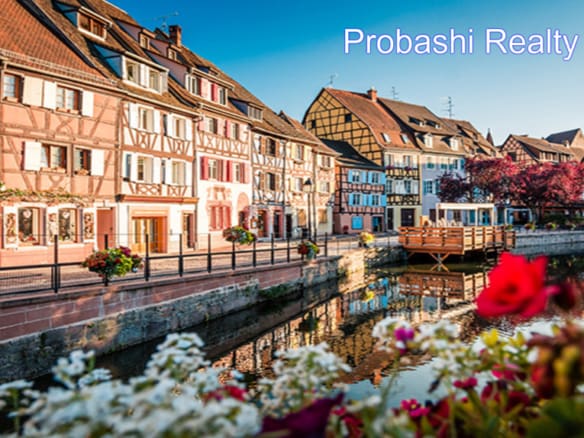
France has long held a prestigious place on the global stage—not just as a cultural and culinary haven, but also as a highly attractive market for real estate investors. With its stable economy, diverse property landscapes, and strong legal protections, France offers a wealth of opportunities for both local and international buyers. Here’s why investing in France’s real estate market is a wise choice and how you can make the most of it.
Why Invest in France Real Estate?
- Stable Economy and Legal Framework: France’s robust economy and transparent legal system provide a secure environment for property investment. The country offers strong protections for investors, especially in property ownership and rental agreements.
- Diverse Investment Opportunities: From Parisian apartments to countryside chateaux, ski chalets in the Alps to coastal villas in the French Riviera, investors can choose from a wide range of property types and price points.
- Steady Rental Yields: While not as high as emerging markets, rental yields in France remain stable, typically between 3% and 5%, with higher returns in tourist hotspots and student cities.
- Tourism Magnet: France is one of the most visited countries in the world, with over 90 million tourists annually, increasing demand for vacation rentals and hospitality properties.
- Lifestyle Appeal: France’s excellent healthcare, public transportation, world-class cuisine, and picturesque landscapes make it an attractive destination for expats and retirees, supporting long-term demand for residential properties.
Key Areas for Real Estate Investment in France
You might think everyone flocks to Paris—and while the capital is always in demand, it’s far from the only hotspot. Here’s where savvy investors are focusing:
-
Paris: Timeless, elegant, and always competitive. Yields are modest but stable. Long-term capital appreciation is a strong point here.
-
The French Riviera (Côte d’Azur): Think Nice, Cannes, and Antibes. High-end villas, sea views, and strong rental income during summer make this a goldmine for luxury investors.
-
Lyon: France’s second city is a tech and business hub with high rental demand from professionals and students alike.
-
Toulouse & Bordeaux: Younger, dynamic cities with affordable entry prices and great long-term potential.
-
The Alps: Ski resorts like Chamonix and Megève offer strong seasonal returns from winter tourists.
Investment Sectors
- Residential Properties: Apartments, villas, and townhouses in urban and rural settings are popular among families, retirees, and working professionals.
- Commercial Real Estate: Office spaces, retail units, and coworking hubs, particularly in Paris and major cities, are in growing demand.
- Hospitality and Tourism: Vacation homes, boutique hotels, and Airbnb-friendly properties are lucrative in areas like Provence, Alsace, and Normandy.
- Student Housing: University cities such as Grenoble, Lille, and Toulouse offer great potential due to consistent student demand.
- Luxury Real Estate: Castles, vineyards, and heritage properties attract high-net-worth investors from around the globe.
Investment Requirements
- Minimum Investment Amount: There is no official minimum for property purchase in France, but investors should budget at least €100,000 for meaningful entry, especially in rural areas.
- Ownership Rights: Foreigners can own freehold properties in France with no restrictions. The process is transparent and well-regulated.
- Legal Documentation: Buyers need a valid passport, proof of funds, and in some cases, a French bank account. A notary (notaire) handles the legal transaction.
- Property Transfer Costs: Expect to pay 7%–8% in total transaction costs, including notary fees, registration, and taxes.
- Mortgage Eligibility: Non-residents can obtain French mortgages, typically up to 70% of the property value, depending on financial credentials and lender policies.
Tips for First-Time Investors
-
Research Local Markets: Different regions offer different returns and risks. Understand the micro-market before committing.
-
Work with Bilingual Agents: Partnering with agents fluent in both French and your language simplifies communication and transactions.
-
Factor in Taxes: France imposes various property taxes and capital gains, so consult a tax advisor beforehand.
-
Inspect the Property: Older buildings may need renovation; budget accordingly.
-
Understand Inheritance Laws: France has specific rules about property succession that may affect foreign owners.
Future Prospects
France’s real estate market is expected to remain stable, supported by infrastructure development, urban renewal projects, and a strong rental market. The upcoming 2024 Paris Olympics have already sparked increased interest and investment in surrounding areas. Long-term, France’s commitment to sustainable development and smart cities will further enhance property values.
Conclusion
France combines old-world charm with modern investment security, making it a premier destination for real estate investors. Whether you’re seeking a holiday home, a retirement residence, or a high-return rental property, France provides a mix of stability, lifestyle, and long-term potential. With the right guidance and thorough research, investing in French real estate can be both emotionally and financially rewarding.