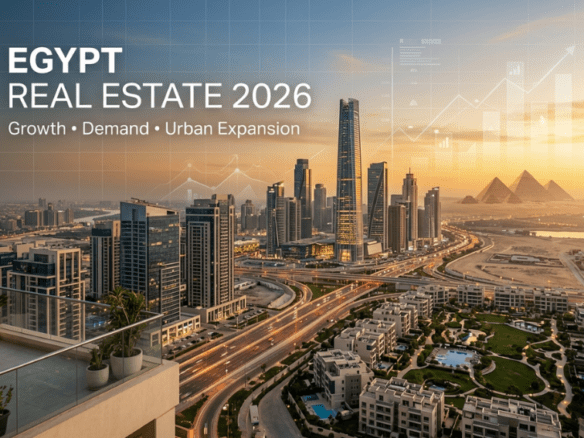
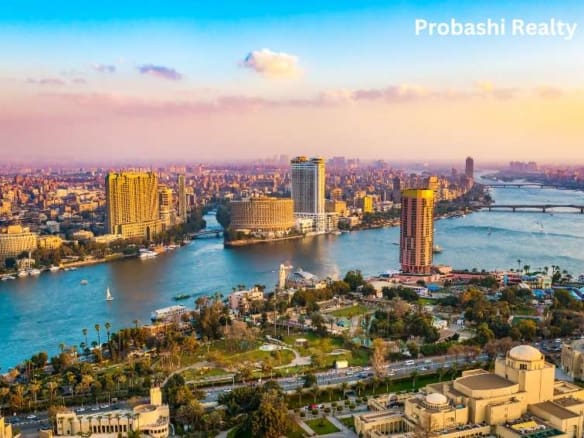
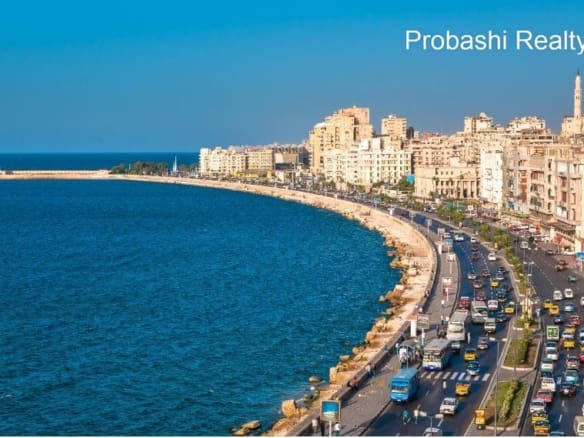
Are you considering real estate investment in Egypt? With its rapidly growing economy, strategic location, and thriving tourism sector, Egypt presents a wealth of opportunities for both local and international investors. From the bustling capital of Cairo to emerging hotspots like the New Administrative Capital and coastal cities like Alexandria and Hurghada, the Egyptian property market offers high potential returns, diverse property options, and relatively affordable prices. In this ultimate guide, we’ll explore everything you need to know — from legal requirements and top investment areas to tips for maximizing ROI and avoiding common pitfalls.
Why Invest in Egypt’s Real Estate Market?
- Strategic Geographic Location: Situated at the crossroads of Africa, the Middle East, and Europe, Egypt provides access to regional and international markets. This makes it attractive for both business and residential investments.
- Booming Population Growth: With over 110 million people and a fast-growing middle class, Egypt is seeing increasing demand for housing, especially in urban centers.
- Strong Government Support: Egypt’s Vision 2030 includes major real estate and infrastructure initiatives, such as new cities, smart developments, and investment-friendly reforms to boost private sector participation.
- High Rental Demand: Urbanization, tourism growth, and rising expat communities contribute to strong rental demand, particularly in cities like Cairo, Alexandria, and resort destinations like the Red Sea coast.
- Affordable Entry Prices: Compared to global markets, Egypt offers competitive property prices, making it an appealing entry point for new investors.
Top Cities & Regions for Real Estate Investment in Egypt
1. New Administrative Capital (NAC):
Egypt’s ambitious mega-city project is attracting investors and government institutions alike. NAC promises smart infrastructure, residential zones, business districts, and cultural hubs.
2. Cairo & Greater Cairo (New Cairo, 6th of October City):
Cairo remains the heart of Egypt’s economic activity. New suburbs like New Cairo and 6th of October City offer high-end villas, gated communities, and strong rental potential.
3. Alexandria:
Egypt’s second city, with a Mediterranean coastline, is popular for both residential and commercial investments, especially in tourism and logistics.
4. Red Sea Resorts (Hurghada, El Gouna, Sharm El Sheikh):
Ideal for vacation rentals and hospitality projects. These areas attract tourists year-round and offer beachfront properties at competitive prices.
5. North Coast (Al Sahel):
Egypt’s premium summer destination. Rapid development of luxury resorts and villas has made this a top choice for high-end investors.
Investment Sectors
- Residential Properties: Apartments, townhouses, and villas in suburban areas or tourist destinations. Family housing, luxury homes, and second residences are in high demand.
- Commercial Real Estate: Office spaces, retail outlets, and mixed-use developments are expanding in new business districts and city centers.
- Tourism & Hospitality: Hotel apartments, vacation rentals, and resorts benefit from Egypt’s growing tourism sector. Ideal in Red Sea and Mediterranean coastal areas.
- Industrial Zones & Logistics: With expanding free zones and industrial parks (like in Suez Canal Economic Zone), investors are capitalizing on warehousing, logistics, and manufacturing properties.
- Off-Plan Projects: Numerous reputable developers offer off-plan investment options in new cities, often with long-term payment plans and attractive pricing.
Legal & Financial Considerations
Foreign Ownership:
Foreigners are allowed to buy real estate in Egypt, though there are some restrictions:
-
Maximum of two properties per person.
-
Property size not exceeding 4,000 sqm without special approval.
-
For larger purchases or commercial investments, registering a local entity is often advised.
Title Deed & Registration:
Ensure the property has a clear title. Not all properties in Egypt are fully registered, so legal due diligence is essential.
Transaction Costs:
Low compared to global standards. Transfer fees, legal costs, and registration may total around 2–4% of the property value.
Payment Plans:
Developers often offer 5–10 year installment plans with low down payments (starting at 10%–15%).
Rental Income & Taxation:
Rental income is taxable for foreigners but at relatively modest rates. Capital gains are generally not taxed.
Currency & Repatriation:
The Egyptian pound fluctuates, so investors should consider currency risk. Repatriation of profits is permitted but requires proof of origin and proper documentation.
Tips for First-Time Investors
-
Partner with Trusted Local Developers: Work with reputable companies with proven track records, especially when buying off-plan properties.
-
Hire Legal Representation: Ensure all documents are reviewed by an independent legal expert familiar with Egyptian property law.
-
Focus on Infrastructure & Amenities: Properties near schools, hospitals, shopping centers, and new highways tend to offer better long-term value.
-
Understand the Area’s Potential: Not all regions grow at the same pace. Study demand trends, government plans, and historical growth rates.
-
Visit Before You Buy: If possible, visit Egypt to assess the property, lifestyle, and neighborhood before making a purchase.
Future Outlook
Egypt’s real estate market is set for continued expansion, particularly through government-backed developments like the New Administrative Capital and sustainable smart cities. With strong demographic trends and strategic reforms, the country is positioning itself as a regional real estate hub.
The ongoing push toward green building, digitization of property registration, and foreign investment incentives will likely boost investor confidence and open new opportunities in both residential and commercial sectors.
Conclusion
Egypt is no longer just a historical treasure—it’s becoming a modern investment powerhouse. With high growth potential, affordable pricing, and rising demand across sectors, now is a strategic time to explore real estate investment in the country.
By doing proper research, partnering with trusted professionals, and aligning with long-term urban development trends, investors can secure profitable assets in one of the MENA region’s most promising markets.